What experts disagree on about galvanized garden beds
Find out what experts really think about using galvanized garden beds for growing vegetables and learn how zinc levels affect your backyard soil.
Set down by Ulysses Wrenfield
5 minutes, read slowly
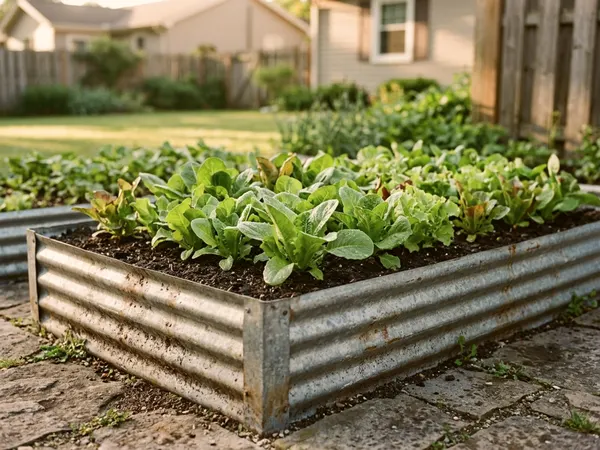
Extension experts differ on whether galvanized garden beds are entirely safe for vegetables. The issue centers on the metal releasing zinc into the dirt over a long period of time. While some warn that excess zinc harms plants, others conclude the risk remains low. The deciding factor is usually your own soil acidity.
The appeal of metal in the yard
Wood can rot when it sits against wet soil. Metal holds up through harsh weather and heavy watering. These thin steel frames let you plant vegetables without building heavy timber walls. You get a functional garden space that looks clean and modern.
Assembly is usually quick. You bolt the metal corners together and set the empty frame directly on your grass. This quick setup leaves you plenty of time to decide how tall the bed should be. You avoid the hard labor of sawing thick lumber.
Metal beds also offer a slight temperature advantage. The thin sides may absorb spring sunlight and warm the soil inside. Warmer soil can help seeds sprout sooner. That could give your vegetables an early start.
A steel frame can give you a little more growing room. Thick wooden beams eat into your planting area. Thin metal walls keep the dirt contained while maximizing the space you have for roots.
How the zinc coating breaks down
Galvanized steel gets its silver finish from a layer of zinc. That coating exists to prevent the iron underneath from rusting. The zinc takes the weather damage instead of the steel. This sacrificial layer protects the steel.
That protective layer does not stay on the metal forever. An Ask Extension expert warns that galvanized steel will gradually release zinc to the soil. Rain and soil moisture can slowly wear the coating away. The metal releases zinc into the surrounding dirt.
Plants actually need trace amounts of zinc to survive. Zinc is a plant nutrient. Problems only start when the zinc levels climb too high. Excess zinc can be toxic to plants.
The expert adds that high zinc can also interfere with how plants take up other micronutrients.
Soil acidity controls the risk
Zinc does not wash off the metal at the same rate everywhere. The chemistry of your dirt controls how fast the coating breaks down. A 2025 Ask Extension answer says zinc can leach into soil under acidic conditions below pH 6.
Acidic conditions can speed up zinc release from the coating, which is why soil pH matters so much.
Most garden soils are near neutral. The 2025 answer says that range limits zinc release.
A near neutral pH therefore keeps zinc release low. Acidity is the main trigger you have to watch.
Disagreement among the experts
Because zinc behaves differently depending on the soil, extension experts offer different advice. The expert who warns about zinc toxicity prefers other materials entirely. He says he would rather see treated wood or wood composite used.
He notes that the price will be higher but the materials are less dangerous to your plants.
A 2016 Ask Extension answer takes a more relaxed position. That extension expert notes the coating will likely stay in place unless acidic food or heat corrodes it. They add that any zinc that does reach the soil should be in small quantities.
Their stance rests on the coating staying in place unless acidic food or heat corrodes it. Avoid acidic amendments against the walls.
A lack of clear field studies
Homeowners often look for a final scientific ruling to end the debate. You might expect a massive university study on metal garden beds. The 2016 extension response says there is no definitive research on growing vegetables in galvanized steel. The long term effects have no definitive answer yet.
The 2016 answer simply says that no definitive research exists.
The disagreement comes down to how much theoretical risk each expert accepts.
You also have to consider where your steel comes from. The 2025 answer advises against low quality or repurposed industrial metal with unknown coatings. Pick beds made for gardening instead of salvaged industrial metal.
Alternatives to galvanized steel
Wood is the other common choice. The University of Maryland Extension cites Oregon State research on pressure-treated lumber. This research tested how modern wood treatments interact with surrounding dirt.
That study tested how much copper leached from the treated wood. They found the lumber raised soil copper only within 1 inch of the bed edge. More importantly, it did not raise copper in the plants. That suggests copper from modern treated lumber is a small concern.
Wood composite provides another durable option. The expert named wood composite as an alternative, so check the maker's information on what the boards contain.
You can also build garden walls from concrete blocks. Blocks stack easily. You just have to fill the space with good soil. Some blocks contain fly ash, which the University of Maryland Extension says contains heavy metals, and it notes there is little research on this.
Testing your soil to decide
You have a lot of control over the chemistry in a raised bed. You buy the dirt in bags or have it delivered by a truck. The 2025 extension answer advises testing soil pH each year. This habit protects your plants from unexpected changes.
A basic soil test kit takes the guesswork out of the equation. You scoop a little dirt into a tube and add the test liquid. The color change gives you a close reading of your acidity level. You want to keep the number at 6 or above, and near neutral if you can.
To manage a galvanized steel frame:
- Test your dirt at the start of every spring before you plant.
- Ask your local extension office how to raise the pH if your test shows a pH below 6.
- Choose a bed made for gardening, not salvaged industrial metal.
- Avoid acidic amendments near the metal.
You can adjust the dirt if the test shows high acidity. Your local extension office can tell you how to bring the pH back toward neutral. A near neutral bed limits zinc release, though the experts still disagree on the risk.
You can start a vegetable garden with confidence. Monitor the soil every spring and you lower the chance of zinc hurting your harvest.
More for the same weekend
6 minutes, read slowly
How square foot gardening fits more into a small raised bed
6 minutes, read slowly
How tall a raised garden bed should be for easy reach
8 minutes, read slowly
What to fill a raised bed with for vegetables