Which vegetables do best in a raised bed, sorted by sun
The best vegetables for raised beds depend mostly on how much sunlight hits the soil. Match full sun or part shade crops to your yard for a heavy harvest.
Set down by Ulysses Wrenfield
7 minutes, read slowly
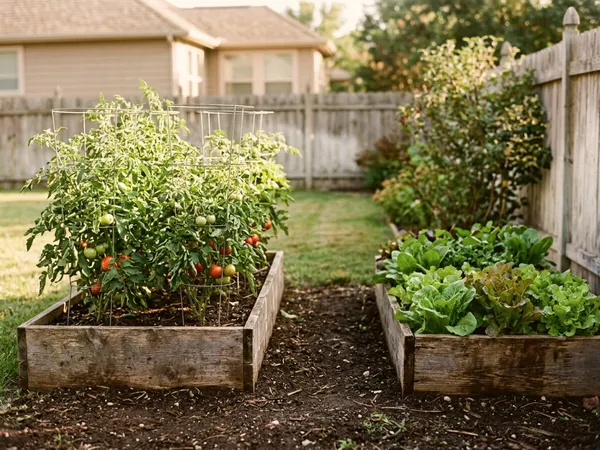
The best vegetables for raised beds depend mostly on the light hitting the dirt. Fruiting plants require heavy, direct light, while greens and roots can grow in partial shade. Matching the crop to the light you actually have helps avoid weak stems and lost harvests.
How to measure the sun your bed really gets
Track the shadows across your yard before you plant a single seed. Sunlight dictates what you can grow. A spot might look bright at noon, but spend the afternoon in shadow. You have to measure the actual hours of light.
Go outside on a clear weekend morning. Write down the exact time the sun hits the wood of your raised bed. Check the bed again every couple of hours. Note when a fence or a large oak tree throws a shadow over the soil.
Clemson says a garden should get at least six hours of direct sun a day. You need to know if your specific location hits that mark. Direct sun means clear, unfiltered light burning straight down onto the soil. Dappled light through branches is not direct sun.
The path of the sun also shifts higher as the season goes on. A bed sitting near a tall house can get more light in summer than in spring. Watch the shadow lines closely to understand your baseline.
Taking pictures with your phone helps record the shifting shadows. Snap a photo of the bed at nine in the morning, noon, and four in the afternoon. Look at the dirt in the pictures. You will clearly see which corners stay bright and which sit in the dark.
Full sun crops for a bright bed
Plants that produce a vegetable from a flower demand the most light. Clemson says fruiting crops such as peppers and tomatoes must have full sun. These plants use vast amounts of energy to grow heavy, water-filled vegetables. They rely on unbroken sunshine to power that growth.
Tomatoes thrive when they bake in direct light from morning until late afternoon. Plant them in the brightest center of a deep bed. Give them plenty of room to stretch. If they sit in the shade, the plants may grow tall and thin and set little fruit.
Cucumbers and squash are fruiting crops too, so give them the same bright spot. Learning how to grow cucumbers means finding the brightest spot you have. Without full sun, the vines may give a poor harvest.
Peppers pull heat from the sun to build thick walls and strong flavor. Jalapenos and bell peppers may stall out if a building blocks their afternoon light. Put these plants in a bed that gets full sun.
These sun-loving crops also drink a lot of water. The hot sun bakes the moisture out of the raised bed fast. Check the soil every morning. Soak the dirt deeply at the roots to stop the plants from wilting in the heat.
Leafy greens and roots for a part shade bed
Beds with less light are better for leaves and roots. Clemson says leafy vegetables, and plants grown for leaves or roots, can be grown in partial shade. You do not need a completely clear yard to grow food.
Partial shade usually means an area gets some direct sun, but less than a full sun bed. It might catch the morning light and sit in a cool shadow all afternoon. It could also receive filtered light through a mature tree canopy all day long.
Lettuce and spinach prefer a break from the harsh afternoon heat. Full sun and heat can push these cool weather crops to bolt. Bolting means the plant shoots up a tall flower stalk and turns bitter. A shaded bed keeps the dirt cool so you can pick a steady lettuce crop.
Root crops like carrots and beets develop underground. They still need light to grow their tops, but they tolerate shade far better than a tomato. You can grow radishes in a bed that gets only some morning sun.
If you have a shaded spot, plant Swiss chard and kale. These greens grow healthy leaves in partial shade. They also recover faster from harvest when the sun is not beating down on their cut stems. The shade prevents the soil from drying to dust.
A shaded bed holds water longer because the sun does not evaporate the moisture as quickly. Check the dirt with your finger before you grab the hose. If it feels wet just below the surface, leave it alone. Overwatering in the shade can cause roots to rot.
Crops that suit the edges and the center of a bed
Arrange crops by height so they share space without fighting. Every raised bed has a deep middle and a defined border. You can use these zones to pack more plants into a small footprint.
Place your tallest crops in the center or on the north side of the bed. Staked tomatoes and tall peppers belong here. If you plant them on the south side, they will cast a long shadow over everything else. The north side keeps their shadow falling outside the frame.
Root crops do well right in the middle, surrounded by taller plants. Carrots require deep, loose soil to grow straight. They share the space easily with taller plants that reach upward.
Save the edges for plants that spill outward. Bush beans and smaller squash can hang over the wooden sides. This frees up precious soil space inside the frame. The leaves look good draped over the edge, and the roots stay firmly in the dirt.
Low greens sit nicely along the south edge. Plant a border of loose leaf lettuce or spinach here. The low profile means they catch the sun without blocking the plants behind them. You can also reach them easily for a quick harvest before dinner.
A layout based on how square foot gardening works keeps the bed balanced. Matching the height of the plant to its position stops the tall crops from shading the short ones.
How to move a crop that is struggling
You can dig up and move small plants if they fail to thrive. Sometimes a shadow falls differently than you expected. You might notice a pepper plant leaning hard toward the light, growing pale and weak. You do not have to leave it there to die.
Move a struggling plant late in the afternoon or on a cloudy day. The harsh midday sun adds stress to a plant with disturbed roots. Wait for a cool, overcast stretch of weather if you can.
Water the plant deeply before you dig. Wet soil holds together much better than dry dirt. You want the soil to stick to the roots during the move. Dry dirt falls away and leaves the bare roots exposed to the air.
Digging goes like this:
- Dig a wide circle around the stem with a hand trowel.
- Go straight down deep enough to capture the roots.
- Pry the entire chunk of dirt up at once.
- Lower the root ball into a matching hole in the sunnier spot.
- Fill the gaps with loose dirt and press it down gently.
Give the moved plant a heavy soaking of water right away. The water settles the dirt and removes air pockets around the roots. The plant might wilt for a day, but it should bounce back fast in its new home.
Do not try to move mature, fruiting plants. A tomato plant with heavy green fruit may drop its harvest if you dig it up. Move plants while they are still small and growing leaves. If a large plant fails, simply pull it and plant greens in its place.
A first season shortlist
Start with a few reliable plants based on your light. A massive list of exotic vegetables usually overwhelms a new gardener. Pick a few easy crops and learn how they behave in your specific yard.
If you have a bed in bright, full sun, start with cherry tomatoes. They produce fast and forgive minor watering mistakes. Add a few jalapeño peppers next to them. Both want hot weather and all the light they can get.
Bush green beans are another option for a sunny bed. They do not require a trellis, and they sprout quickly from large seeds. You can plant them in the open spaces around your tomatoes.
If your bed sits in partial shade, start with radishes. Radishes grow quickly from seed to harvest. You get to see a fast result, and they do not mind a cool, shaded corner. Plant a short row now and then to keep them coming.
Loose leaf lettuce is the best choice for a bed with afternoon shade. You can cut the outer leaves with scissors, and the center keeps growing. A single shaded bed can supply fresh salad for a good while. Heat can make lettuce bitter, so the shade protects your harvest.
Swiss chard adds color and can grow in partial shade. The stems come in bright reds and yellows. It makes a reliable green for a partly shaded bed. You can eat the young leaves raw or cook the larger ones.
Pick three crops that match your sunlight and start there. Do not crowd the dirt with too many seeds. Give the plants room to breathe and watch how they react to the light.
More for the same weekend
6 minutes, read slowly
How square foot gardening fits more into a small raised bed
5 minutes, read slowly
What experts disagree on about galvanized garden beds
6 minutes, read slowly
How tall a raised garden bed should be for easy reach