How to grow cucumbers that stay crisp and keep coming
Learn the basics of growing cucumbers from seed to harvest so you can pick crisp fruit all summer long without dealing with bitter vines or wilted leaves.
Set down by Ulysses Wrenfield
7 minutes, read slowly
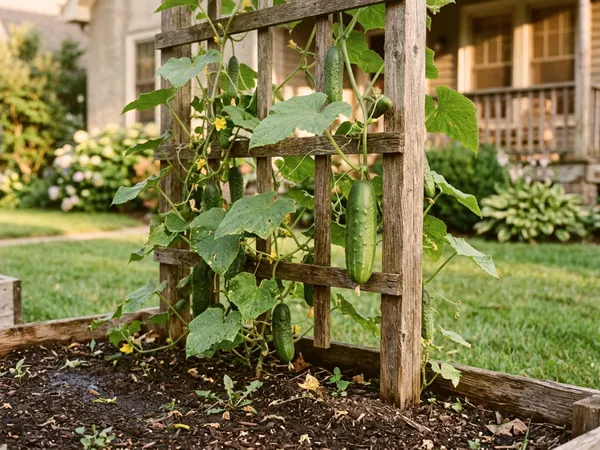
You get crisp cucumbers that keep coming by planting them in warm soil, watering them deeply, and picking the fruit often. The long vines need a steady supply of moisture to help keep the crop from turning bitter. A simple trellis keeps the cucumbers off the bare dirt. The fruit stays clean and straight.
When the soil is warm enough to sow
Cucumbers hate cold ground. The seeds rot before they sprout if the dirt is damp and chilly. Oregon State notes that cucumber seeds need soil of at least 65 degrees F for good germination.
You can measure this heat with a standard kitchen meat thermometer. Push the probe into the dirt where you plan to plant. Wait if the soil is colder than 65 degrees F.
Spring takes a while to warm the ground in northern climate zones. You might not hit that target temperature until well into spring. You can speed up the natural process with heavy black plastic sheeting.
Spread the plastic over your bare garden bed. Pin the four edges down with large rocks or bricks. The dark plastic absorbs the spring sun and bakes the damp dirt underneath. Leave the sheeting there and check the soil temperature before you plant.
Preparing the soil early gives the tender roots a soft place to run. Dig up the lawn grass and pull every weed by the roots. Weeds steal valuable water from your vegetable crops.
Break up any hard clumps of dirt with a heavy steel garden fork. Mix in a thick layer of aged compost to feed the hungry plants. You can start a vegetable garden very easily when the ground is loose and rich.
Seed or transplant and how to space them
You can put seeds straight in the ground or buy small plants from a local garden center. Sowing seeds directly in the yard is usually cheaper. Cucumbers hate having their roots disturbed.
Transplants give you a fast head start on the summer season. Look closely at the short stems if you buy plants. They should look thick and bright green. Leave behind any pots with yellow leaves or dry soil.
Give the climbing vines plenty of room to stretch out and catch the summer breeze. Good air flow can help lower the risk of powdery mildew. Oregon State advises transplants 12 to 24 inches apart in rows 48 to 72 inches apart.
For seeds sown directly, follow the spacing and depth on the seed packet and cover them lightly with loose soil. Give the bare dirt a gentle soak with a metal watering can.
Growing cucumbers in containers
You can still grow a big crop if you do not have a traditional yard. Growing cucumbers in containers works very well on a sunny concrete patio or wooden balcony. Choose a heavy plastic or ceramic pot that holds plenty of soil.
A bigger pot can hold moisture longer during hot afternoons. Make sure the bottom of the tall container has several large drainage holes. Water must escape or the roots may rot.
Never fill a pot with heavy dirt dug from the ground. It can pack down hard in a pot. Fill your raised bed or patio container with bags of fresh potting soil. Light potting soil drains quickly and gives the roots room to breathe.
If you add fertilizer, follow the label. Plant one cucumber vine per large pot and check the soil often, since container plants dry out fast in summer.
Why a trellis saves room and keeps fruit clean
Cucumber vines love to run far and fast. They will take over a whole garden bed if you let them crawl flat on the ground. A sturdy vertical trellis solves this space problem entirely.
It forces the long vines to grow straight up toward the sun. You can walk by and harvest the green crop without stepping on the delicate leaves or crushing the stems.
Gravity does a lot of the heavy work for you. The heavy fruit hangs straight down from the climbing vine. Cucumbers left on the wet ground can turn yellow on one side.
Slugs and pill bugs can take bites out of the tender skin. A trellis helps keep the cucumbers off the ground. You can grow more in less space.
You can build a simple garden fence out of wood stakes and wire mesh. Push two heavy tall wooden stakes deep into the dirt. Staple a wide section of rigid wire fencing to the wood.
Set this up before you plant the flat seeds. Pushing stakes into the soil later may damage the growing roots.
The climbing vines put out small curly tendrils as they grow. These green tendrils grab the bare wire and pull the heavy plant upward. Sometimes a thick vine needs a little help finding the tall fence. You can tie the stem loosely to the wire with a strip of soft cotton cloth or jute twine.
Watering evenly so fruit does not turn bitter or wilt
A fresh cucumber is mostly water. The green vines need a steady drink to pump that moisture into the growing fruit. Dry dirt stresses the whole plant.
Stress from drought, heat or cold, or poor nutrition can make cucumbers bitter. Peeling reduces the bitterness.
Water deeply and regularly so the soil does not dry out. A light sprinkle on the surface does little good. The roots just stay shallow and dry out faster in the heat.
Put your bare finger in the soil. If it is dry a whole knuckle deep, it is time to water the bed.
Aim the garden hose directly at the base of the plant. Wet leaves can invite disease. A drip irrigation line makes this watering job very easy.
You can also lay a rubber soaker hose along the row of plants. Turn the outside faucet on a low trickle and let the water soak in. Leaves that droop flat in the hot afternoon sun are normal.
Wilting can mean the soil is too dry or too wet, so check the soil before you add water.
A thick layer of organic matter traps moisture in the ground. Spread shredded leaves or clean straw around the base of the climbing vines. Keep the rough mulch back from the main stem.
This dry gap stops the wet stem from rotting. Spread the organic mulch thickly across the rest of the bare dirt.
When to pick for the best crunch
The paper seed packet tells you how long you have to wait. Early cucumber varieties can take as few as 50 days to harvest and late ones up to 70 days.
Warm weather speeds the green growth up, and cool nights slow the vines down.
Do not wait for the cucumbers to get huge. Overgrown cucumbers can turn yellow and develop hard seeds. You want to pick them while they are totally firm and crisp.
Slicing cucumbers are picked at 6 to 10 inches long. Measure the hanging fruit with a wooden ruler if you are not sure.
The bumpy skin should be a dark, even green from end to end. Pale yellow spots mean the fruit is past its prime. A massive cucumber hiding behind a leaf has grown too big.
Toss it straight in the yard waste or compost bin. It will likely taste tough.
Many cucumbers have tiny sharp spines on the skin. You can rub these spines right off with a rough cloth. Wear thin garden gloves when you harvest to protect your hands.
Use a pair of sharp metal garden clippers to cut the green stem. Pulling the heavy cucumber by hand can snap the main vine. The vines can break easily.
How picking often keeps the vines producing
A cucumber vine has exactly one biological goal. It wants to make mature seeds to drop in the dirt. Old fruit left on the vine can slow new growth.
The plant thinks its natural job is done. You have to interrupt this seed process to get a long, heavy harvest.
Harvest the crisp fruit early and often. Picking every other day keeps production going strong. Walk out to the garden with a basket on warm evenings.
Look carefully under the big rough leaves. Dark green cucumbers camouflage very well against the green summer foliage. Missing a hidden cucumber can slow the whole plant down.
The tall vines should keep pushing out new flowers as long as you keep taking the young fruit. You get a steady daily supply of crisp cucumbers for summer salads and kitchen snacks. Store the unwashed cucumbers in the refrigerator and use them while they are crisp.
Eventually, the autumn weather turns cold and damp. The tired vines will slow down and stop setting new fruit altogether.
Pull the dead brown vines up by the roots. Throw them in the city yard waste bin to help limit disease. You can clear the wire trellis and plant a quick fall crop in the empty space.
More for the same weekend
7 minutes, read slowly
How to time a fall vegetable garden by counting back from frost
7 minutes, read slowly
A vegetable companion planting chart and what actually works
6 minutes, read slowly
How to grow potatoes in a bucket, bag or tub on a small patio