How deep to spread organic mulch on a vegetable bed
Find out exactly how deep to spread organic garden mulch on your vegetable bed. Learn which materials work best to block weeds and how to manage them later.
Set down by Ulysses Wrenfield
7 minutes, read slowly
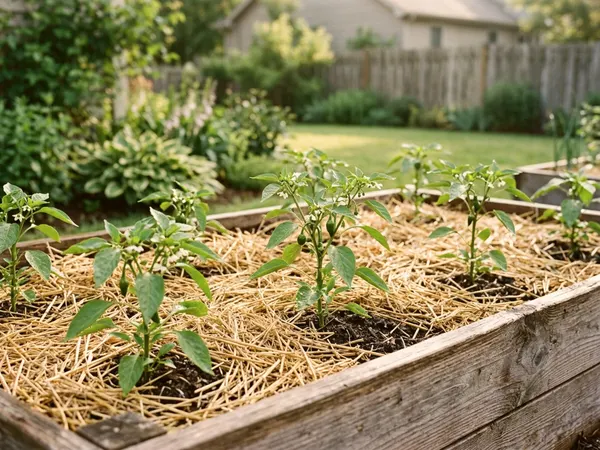
Spread organic garden mulch 3 to 4 inches deep on your vegetable bed. That depth helps hold weeds back while still letting air reach the plant roots underground.
What mulch does for a vegetable bed
Bare dirt dries out fast under the summer sun. A thick layer of mulch acts like a roof for the soil. It takes the heat and stops the water underneath from baking off into the air. You spend less time holding a hose and more time picking tomatoes.
Mulch helps hold weeds back by blocking light from their seeds. When you bury them under organic matter, they are less likely to sprout.
The few weeds that push through are usually easy to pull. Organic garden mulch also protects the soil structure from heavy rain. A hard summer storm pounds bare dirt. The drops pack the surface down into a hard crust.
When the ground dries, that crust cracks and sheds water. Mulch absorbs the impact of the rain. The water trickles down slowly, soaking the bed instead of washing the topsoil away.
Over the summer, the material breaks down. Bugs and worms come up to eat the rotting bits and drag them down into the bed. This movement can loosen hard dirt.
It helps the ground hold water like a sponge. Before you worry about the top layer, you just need good soil in your raised bed first.
Comparing common mulch materials
Vegetable beds need mulches that break down fast and feed the soil. You have a few natural options that work well around food crops. Some come in bales, some come in bags, and some fall right on your yard.
Straw
Straw is light and easy to spread.
It can help keep the roots cooler in summer. A bale of straw covers a lot of ground. You just pull it apart and drop thick handfuls onto the dirt.
Make sure you buy straw, not hay. Farmers grow hay to feed animals, so it often holds weed seeds. Using hay can bring weeds into your vegetable patch.
Good straw comes from the empty stalks left over after a grain harvest. Even clean straw holds a few stray seeds, but the weeds are easy to pull.
Fallen leaves
Fallen leaves are free. You rake them up in fall and they can go on the bed later. Shred them first, or mix them with fluffy material like straw.
Whole leaves lay flat and mat together when they get wet. They can form a soggy mat that blocks water.
Run a lawn mower over a pile of dry leaves to shred them. Shredded leaves stay in place and break down quickly. They add rich organic matter to the dirt. You can bag the shredded leaves in the fall and save them for planting season.
Compost
Compost does double duty. A thick layer of dark compost feeds the plants and holds moisture in the ground.
You can make it in a bin at home. You can also buy bagged compost at the garden center.
Compost looks cleaner than straw or leaves. It blends right into the dirt. Covering a large yard takes a lot of compost, which can get expensive. It works best in small spaces where you want everything to look neat.
Wood chips
Wood chips take a long time to rot. They are best kept to the pathways between your beds. As they break down, wood chips can tie up nitrogen in the soil, which can leave crops hungry.
Keep the wood chips on the ground where you walk. They stop weeds in the paths and keep your boots out of the mud. If you accidentally spill a few chips into the bed, just pick them out.
Grass clippings
You can spread grass clippings if you dry them out first. Let them dry out in the sun first. Fresh, green clippings can mat together and smell bad as they rot.
Do not use clippings from a lawn treated with weed killer. Some of those chemicals can harm vegetable plants, so check the product label. If you want to use clippings safely, stick to a plain mowing routine. This is a basic step when you learn how to take care of a lawn from the beginning.
Pine needles
Pine needles work well around plants that like acid. They are light and airy. They let water pour right through to the dirt.
They break down slowly.
Needles tend to poke your hands when you pull weeds. Wear heavy gloves when you spread them. They look good in a garden bed.
How thick the layer should be
The thickness of the layer decides how well it works. The University of Georgia suggests a mulch depth of 3 to 4 inches.
If you lay down too little, you get limited weed control. Sunlight slips through the cracks in a thin layer. Weeds push right through the gaps and take over the bed.
The dirt may also dry out faster. This forces you to drag the hose out again.
Light mulch settles, especially after it gets wet. A fluffy layer of straw can squash down after a heavy rain. Put down enough material on the first day to account for this drop. You want the bed to keep a solid 3 to 4 inches of organic garden mulch all season long.
To check the depth, push a ruler through the material until it hits the dirt. If the layer is too thin, toss another handful on top.
Check the beds now and then. The weather and the worms eat away at the bottom of the pile. You have to top it off as the summer goes on.
Why too much mulch hurts roots
A thicker layer might seem to stop even more seeds from sprouting, but piling up a deep mountain of material causes problems underground.
Too much mulch keeps air from the roots, according to the University of Georgia. Plant roots breathe.
They need oxygen to pull water and food out of the dirt. When you smother them under a heavy blanket, they can suffocate. Roots can die off.
The top of the plant may turn yellow and wilt. A deep pile also traps too much moisture against the soil surface. The ground can stay soggy.
Fungi and plant diseases can thrive in these wet, dark spots. A normal layer lets the soil dry out just enough between waterings. Thick layers also block the rain from getting down to the dirt. A gentle summer shower just wets the top of a deep straw pile.
The wind dries the straw, and the soil underneath can stay dry. Keeping the layer right lets the rain soak all the way through.
Keeping mulch off stems and crowns
Mulch belongs on the dirt, not touching your plants. Pull the material back from the main stem of a tomato or pepper plant. Leave a bare circle of dirt right at the base.
Wet straw or compost resting against a soft green stem can cause rot. Pests may also hide in the damp cover.
Slugs and pillbugs like a damp hiding place, and mulch pushed against the stem may give them a bridge to the plant. A bare ring of dirt makes them cross open ground.
When you plant seeds directly in the dirt, wait for them to sprout before you cover the bed. Tiny carrot or lettuce seedlings may struggle to push through a heavy blanket of shredded leaves. Let the crops grow strong.
Once they look tough, carefully tuck the material around them. You can use this trick whenever you pick out new vegetables for a raised bed.
What to do with the mulch at the end of the season
Vegetable gardening winds down when the heavy frost hits. You end up with empty beds covered in old, faded organic matter. You do not need to rake it up and throw it away.
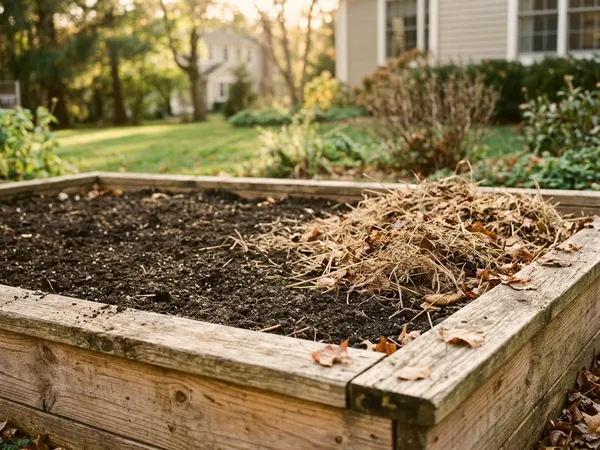
Organic mulches can be tilled into the soil at season's end to add organic matter, according to the University of Georgia. Grab a garden fork or a shovel. Turn the remaining bits into the dirt.
Winter weather can break the material down further. By spring, the old straw and chopped leaves add organic matter to the bed.
If you use a tough material like pine needles, they might not rot fast enough over the winter. You can rake those off and throw them in a compost pile. Soft materials like leaves and straw usually break down faster.
If the bed is bare by late fall, just leave it alone over the winter. You can start fresh with a new layer after you plant your spring crops. Tilling the old material under keeps your yard clean and sets up a better garden.
More for the same weekend
7 minutes, read slowly
Which vegetables do best in a raised bed, sorted by sun
6 minutes, read slowly
How square foot gardening fits more into a small raised bed
5 minutes, read slowly
What experts disagree on about galvanized garden beds