Accessible home changes that make every room easier to use
Accessible home modifications like lever handles and cleared walkways can make rooms easier and more comfortable for anyone with limited mobility.
Set down by Winona Upchurch
8 minutes, read slowly
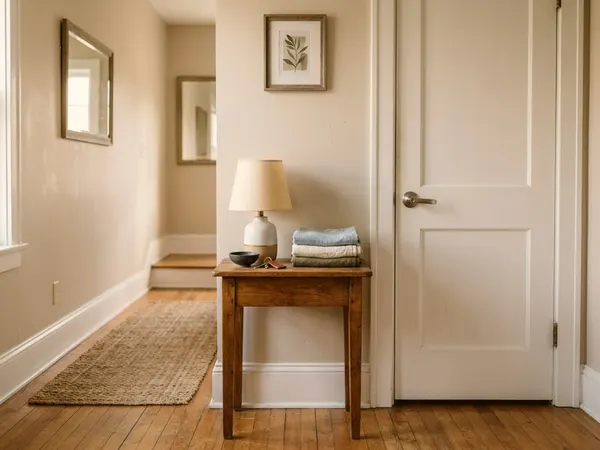
Small accessible home modifications take the strain out of everyday routines. Changing out door hardware, adding smart lighting and clearing walkways make a house comfortable for anyone with limited mobility. You do not need a major remodel to create a space that works for you or an aging parent.
Watch how you actually move through the house
Start by paying attention to a normal day. Notice where you pause to catch your balance. Watch for the spots where you grab a door frame for support. The best changes solve the exact problems you face right now.
Walk from the bed to the bathroom. Do you bump into the dresser or trip over a loose cord? Carry a cup of coffee from the kitchen to the living room. Pay attention to how heavy the cup feels if you have to weave around a coffee table.
Think about the difference between morning and evening. Stiff joints make the first trip down the hallway much harder than a trip at noon. Tired legs make the evening walk up the driveway feel like a chore.
Take notes on where you struggle. You might realize you bend down too far to reach a bottom cabinet. You might notice the hallway feels dark even during the day. Fix these trouble spots first instead of guessing what needs work.
Put light switches and lamps right where you reach
Groping for a switch in the dark is a fast way to trip. Bright, even lighting can make the whole house safer and easier on the eyes.
Swap out small toggle switches for wide rocker switches. A rocker switch turns on with a gentle push from a knuckle or an elbow. You do not have to pinch or pull it.
Consider adding motion sensor lights in the hallways and bathrooms. They turn on as soon as you walk in. A plug-in night light near the baseboards lights the floor without glaring in your eyes. This helps you find the bathroom at night without waking up the whole house.
Place table lamps exactly where you sit to read or relax. If you hate fumbling with a tiny dial under the shade, plug the lamp into a smart outlet. A remote control on the side table lets you turn on the room before you stand up.
Look at your closets and pantry. Dark shelves hide what you need and force you to dig around. Stick battery-powered puck lights under the shelves or above the door. A quick tap gives you enough light to find a coat or a can of soup.
Replace round knobs with lever handles and easy pulls
Round knobs demand finger strength and a tight grip. Lever handles just need the weight of your hand.
Swap your round door knobs for levers. You can open a lever handle with a closed fist or an elbow when your hands are full. Levers can make a big difference if your hands are stiff or sore.
Change the kitchen and bathroom faucets to single lever handles. Twisting cold and hot water knobs hurts stiff joints. A single lever lets you push the water on and adjust the temperature in one smooth motion.
Take a look at your kitchen cabinets and dresser drawers. Replace small round knobs with wide cabinet pulls. A D-shaped pull gives you room to slide your whole hand behind it. This spreads the effort across your palm instead of your fingers.
Pay attention to your appliances. A heavy oven door or a stubborn refrigerator seal requires a lot of pulling force. You cannot change the handle on an old fridge easily. Keeping the rubber seals clean can help stop the door from sticking.
Clear the floors and secure your rugs
A clear path is the first change to make. Aim for walkways wide enough to move through comfortably with a cane or walker.
Push heavy furniture back toward the walls. Move the coffee table away from the sofa so you can stand up without knocking your shins. If a chair blocks a natural path through a room, move it to another corner.
Rugs catch toes and cause falls. Remove small throw rugs entirely. If you want to keep a large area rug, secure the edges. Tape the corners down with double-sided carpet tape so they lie flat against the floor.
Check the floors for uneven transitions. The spot where a wood floor meets a tile floor often has a small lip. A rubber threshold ramp smooths out this bump. This keeps a walker from catching on the edge.
Check the outlets for trailing cords. Tuck television and lamp cords behind the furniture. Use zip ties to bundle messy wires off the floor.
Do the same with pet toys or shoes. Some entryway ideas keep the front hall clear of clutter so you can get through the door safely.
Add a place to sit in the shower, kitchen and entry
Standing still can tire your legs quickly. Adding a seat to key rooms saves your energy for things you actually want to do.
Put a sturdy stool in the kitchen near the counter. You can sit down to chop vegetables, wash dishes or mix a bowl of dough. Resting while you prep meals makes cooking enjoyable instead of exhausting. Make sure the stool has rubber feet so it does not slide on the linoleum.
Place a firm chair with armrests near the front door. Sitting down makes tying shoes and sorting the mail much easier. The armrests give you something to push against when it is time to stand back up.
Avoid deep, soft chairs. Sinking into a plush cushion makes standing up a struggle.
Use a shower chair or a transfer bench in the bathroom. A transfer bench extends over the side of the tub. You sit on the outer edge and slide across into the water.
This keeps you from balancing on one wet foot while you step over the side. You can also give the bathroom a spa feel with this setup. Just keep fluffy towels and soap in easy reach of the shower chair.
Raise the toilet seat and add grip support
Wet floors and low fixtures make the bathroom a risky room.
A standard toilet sits low to the ground. Standing up from a low seat requires significant leg strength. You can swap out the whole toilet for a taller model, but a raised seat is much faster.
A raised toilet seat clamps directly onto your existing porcelain bowl. It adds extra height so you do not have to squat as far.
Choose a raised seat with built-in handles on the sides. These handles give you a stable place to push off. Check the weight rating, and make sure the clamps are tight so the plastic seat does not shift when you sit down.
Keep everyday items between your waist and shoulders
Bending down to the floor strains the lower back. Reaching high above your head tests your balance. Keep the things you use daily right in the middle.
Move heavy plates and everyday glasses to the bottom shelf of the upper cabinets. Keep pots and pans on the top shelf of the lower cabinets. Leave the highest and lowest shelves for holiday dishes or things you rarely need.
Use slide-out shelves in deep cabinets. Pulling a drawer toward you is easier than crawling into a dark cabinet to find a lid. Sliding organizers bolt directly to the existing cabinet base.
Hang your daily coats on lower hooks. Adjust the closet rods down so you can reach hangers without stretching on your toes. A simple tension rod placed lower in a closet gives you instant accessible hanging space.
Keep bathroom supplies on the counter. A small tray holds toothbrushes, soap and lotion right where you need them. Digging under the bathroom sink for daily items is unnecessary work.
Make the bedroom a supportive place to rest
Getting in and out of bed takes more effort than it looks. A few simple adjustments make the bedroom safer and more relaxing.
Check the height of the bed. A mattress that sits too close to the floor forces you to squat deep to get out. A bed that sits too high forces you to hop down. The ideal bed lets you sit on the edge with your feet flat on the floor.
Use bed risers rated for your bed's weight to lift a low frame. These sturdy plastic blocks slide under the bed legs to raise the whole mattress. If the bed is too high, remove the box spring or switch to a thinner foundation.
Keep a firm chair next to the dresser. Getting dressed while sitting down stops you from hopping on one leg to put on pants.
Place a sturdy bedside table next to the mattress. A heavy nightstand is steadier than a flimsy one, but do not lean your full weight on any furniture. Flimsy metal tray tables easily tip over if you lean on them.
Know when a bigger change needs a licensed pro
Small adjustments cover a lot of ground, but some jobs require a professional. Safety devices must bear your full body weight without pulling free.
Hire a professional to install grab bars. A grab bar is useless if it rips out of the drywall during a fall.
A pro will anchor the metal brackets securely into the framing behind the wall. Suction cup grab bars might seem like an easy fix, but do not rely on them to support your weight.
Call a licensed electrician to install new light fixtures or move hardwired switches. Moving a switch lower on the wall makes it easier for someone in a wheelchair to reach. Rewiring the house is dangerous if you do not know exactly what you are doing.
Contractors can widen interior doors or replace a standard bathtub with a walk-in shower. A wide doorway accommodates a wheelchair or a wide walker. A roll-in shower eliminates the curb entirely. These bigger jobs tear up the house, so plan them only after you finish the easy updates.
Building a permanent ramp to the front door also requires a contractor. An exterior ramp needs the right slope to be safe in the rain and snow. A ramp that is too steep is unsafe. Check with your local building department about permits and rules for exterior ramps.
More for the same weekend
7 minutes, read slowly
Entryway ideas that make a small front hall easier to live with
6 minutes, read slowly
A ten minute evening reset that sets up tomorrow
6 minutes, read slowly
A short evening journaling habit for people who never kept one