Which type of grass suits your yard, sun and climate
Picking the right types of grass for lawn planting is easy once you match the seed to your local climate and the daily hours of direct sun your yard gets.
Set down by Wyatt Umland
6 minutes, read slowly
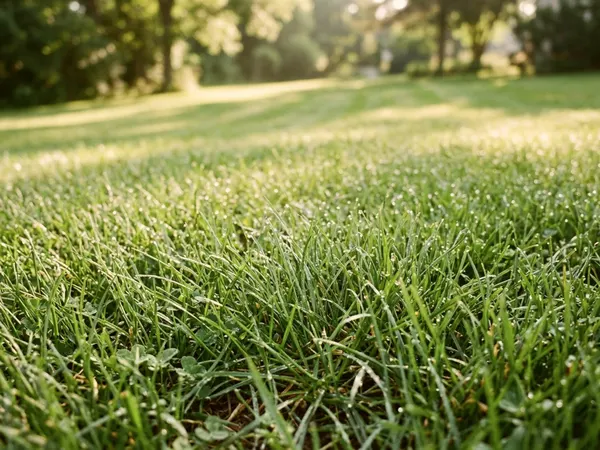
Picking the right types of grass for lawn planting means matching seed to your climate and the exact sunlight hitting your dirt. A grass that thrives in southern heat turns brown up north. A sun-loving variety may thin out and die under a heavy tree canopy.
How to measure the sun in your yard
Before you buy a bag of seed, you must know how much light your yard actually gets. Guessing leads to dead grass. Sunlight changes as the trees leaf out in the spring. It changes as the sun moves across the sky.
Pick a clear weekend when the trees have full leaves and walk outside in the morning. Note exactly where the shadows fall. Check the yard again at noon and one more time in the late afternoon. Write down the hours a specific patch of dirt spends in direct light.
Direct sun means the light hits the ground without filtering through leaves or branches. Dappled sunlight does not count as direct sun. Measure only the unbroken light when you pick seed.
You might find your front yard gets heavy sun while the side yard sits in deep shade. That is perfectly normal. You can plant different grass types in different zones of the same property.
Cool season and warm season grass and when each one grows
Grass types fall into two main groups based on the temperatures they prefer. Cool season grasses such as tall fescue, Kentucky bluegrass and fine fescue grow best in spring and fall and go dormant in hot dry summers, while zoysia and bermudagrass grow in summer and go dormant in winter. You can find this breakdown from the University of Maryland Extension.
Dormancy is a survival mechanism where grass stops growing and turns brown to protect itself from extreme weather. It is usually not dead, and the grass usually recovers when conditions improve.
When fall air cools down, warm season grasses slow their growth. The green fades to a straw color. It rests until the spring soil warms up again.
Cool season grasses wake up early in the spring and grow thick until summer heat arrives. They go dormant in hot dry weather, then push new growth in the crisp fall air. You want to plant a grass that aligns with your local weather patterns so your lawn stays green during the months you spend time outdoors.
Which one grows in your part of the country
Where you live dictates which camp of grass seed you should buy. In the cooler northern states, cool season grass usually makes more sense, since warm season grasses go dormant in winter. Ask your local extension office what suits your area.
If you live deep in the South, warm season grass is the practical choice because cool season grasses go dormant in hot dry summers. Bermudagrass and zoysia are warm season grasses that grow in summer.
The middle band of the country is known as the transition zone. Growing grass here takes some patience. The summers get hot enough to stress cool season grasses, and the winters get cold enough to turn warm season grasses brown for months.
In the transition zone, you have to decide what you dislike more. You either tolerate brown grass all winter with a warm season type, or you tolerate a struggling, thirsty yard in August with a cool season type.
Kentucky bluegrass and where it does well
Kentucky bluegrass is the classic northern lawn. It produces a dense dark green carpet that feels incredibly soft underfoot. It spreads through underground stems called rhizomes. This spreading habit is a massive benefit.
If a large dog tears up your lawn, Kentucky bluegrass can fill in bare patches on its own. It pushes new growth into damaged areas over time.
This grass needs plenty of sun to look its best. Kentucky bluegrass grows best in full sun, so you should plant it out in the open. It may thin out if you try to grow it under trees or in the shadow of your house.
It goes dormant in hot dry weather, though it recovers when cooler temperatures and rain return. You can let it go dormant in summer rather than watering heavily, as the University of Maryland Extension suggests for cool season lawns.
Tall fescue for heat and some shade
Tall fescue is a bunching grass that grows in upright clumps rather than spreading out sideways with runners. It builds a deep root system that extracts more water from the soil. Those deep roots let it rely less on irrigation.
You still need to track the light in your yard. Turf type tall fescue needs at least 4 hours of direct sun each day. It tolerates some shade, so it suits yards with a mix of sun and shade as long as it gets that direct light.
Because it grows in clumps, tall fescue will not fill in large bare patches by itself. You usually have to sprinkle new seed over thin areas in the fall to keep the lawn dense. You can read how to overseed a thin lawn to ensure those new seeds actually take root. For general upkeep, reviewing basic lawn care for beginners helps establish a watering routine.
Tall fescue prefers a higher mower cut, so you should leave the mower deck raised. The University of Maryland Extension says mowing cool season grass too short is a major contributor to lawn deterioration and weeds.
Fine fescue for the shadier side of the house
Houses cast long, solid shadows. Large maple trees block the sky completely by mid-summer. Most grass refuses to grow in those dark, damp patches. Fine fescue is the best bet among the common cool season grasses.
It has very narrow leaves and a distinct soft texture. Fine fescue is the most shade tolerant of the common cool season grasses but still needs at least 2 hours of direct sun a day.
Fine fescue works well in low maintenance areas. The University of Maryland Extension says it grows best when left largely unmown, so it works like an unmowed groundcover.
Check the seed label for traffic tolerance before you plant it where people walk often. Save it for the quiet, shady corners of your property where people rarely walk. Bagged shade mixes may combine several grasses, so check the label for what is in the bag.
What to plant where no grass will grow
Sometimes the dirt in your yard just will not support a traditional lawn. You might have a narrow alley between two tall buildings that sees zero direct sun. You might have a steep slope where heavy rain washes the topsoil away before seed can root. Dumping more grass seed on these spots is a waste of money.
You have plenty of other options, like low ground covers that a local garden center or extension office can match to your light and soil. Wood chips make a clean, cheap surface under heavy trees, and you can dump a few bags of mulch over the bare dirt to stop the mud.
Shade garden plants suit low light better than grass does. You can dig up the struggling grass and put in a shade garden instead. If the space gets decent light but the soil is simply terrible, build up rather than digging down. You can check what to fill a raised bed with and grow fresh food right over the bad dirt.
Gravel paths give you a place to walk without crushing fragile shade plants, or you can build a small stone patio in a dead corner. A yard does not need to be a giant green rectangle because grass is just one way to cover the ground.
More for the same weekend
6 minutes, read slowly
How to top dress a lawn with compost without smothering it
6 minutes, read slowly
Why your lawn has brown patches and how to fix each kind
7 minutes, read slowly
How to overseed a thin lawn so the new grass actually takes