How to overseed a thin lawn so the new grass actually takes
Overseeding lawn thin spots works best in early fall. Follow these plain steps to prep the soil, spread the seed and keep it damp until new grass takes.
Set down by Wyatt Umland
7 minutes, read slowly
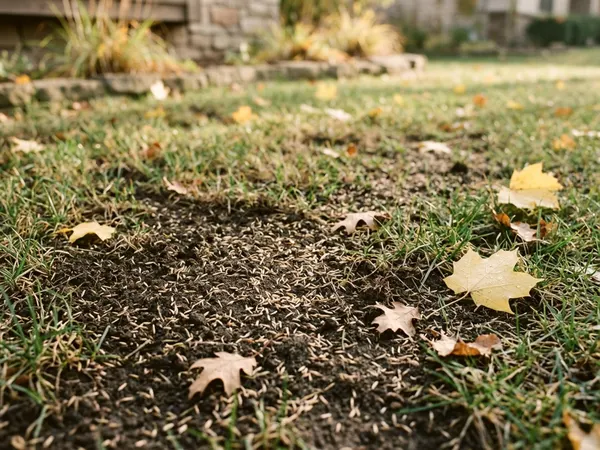
Spread new grass seed over the thin spots, rake it firmly into the bare dirt, and keep the ground damp for a couple of weeks. Seeds need constant moisture and direct contact with the soil to grow. Tossing seed over dead thatch leaves it hanging in the air to dry out and die.
Check that overseeding is the right fix for your thin lawn
Before you spread a single bag of seed, figure out why the yard thinned out. Overseeding a lawn just covers up a symptom. If you ignore the underlying problem, the new grass will die exactly the same way the old grass did.
Heavy foot traffic compacts the dirt. Roots cannot push through hard soil, and rainwater runs right off the top instead of soaking in. You will need to loosen a hard yard before seeds will take. Renting an aerator to pull soil plugs often helps.
Take a close look at your soil. Grass struggles to survive in highly acidic dirt. You can pick up a cheap soil test kit from a hardware store to see if you need to spread lime. Doing this before you overseed gives the new grass a better chance.
Look up at your trees, because grass needs sunlight to make food. If a big tree grew a thick canopy over the summer, your turf might be starving for light. You might need to thin the branches or switch to a different grass. Some grass types tolerate shade better than others, so check the seed label.
Examine the bare dirt for signs of trouble. If you have dead areas from fungus or grubs, fix those brown patches first. Treat the disease and get rid of the pests to give the yard a clean slate. Do not waste expensive seed on a yard that cannot support it.
Pick the right window in early fall
Timing matters as much as technique. Cool season grasses grow best when seeded in September and October, according to the UC Statewide IPM Program. The late summer heat breaks, but the ground remains warm enough to wake the seeds up.
Watch the weather forecast. Wait for nighttime temperatures to reach the mid 60s Fahrenheit before you seed in the fall. A guide from NC State Extension notes this specific temperature drop as the signal to start.
Fall seeding often beats spring. Summer weeds such as crabgrass are usually fading by then, so the new grass has less competition. Fall also gives the roots months of cool weather to settle in.
If you miss the fall window entirely, March to April is the next best time. Spring seeding forces the new roots to race against the upcoming summer heat. You may have to water often through July and August to keep spring grass alive. Always aim for fall if you can.
Mow low, rake and loosen the top of the soil
Grass seed must touch the earth. A seed stuck in a layer of dead grass will sprout, dry out and die before its roots find dirt.
Drop your mower deck and cut the existing grass fairly short. Bag the clippings. You want the old blades short so they do not block the sun from the young sprouts. Short grass also makes it much easier to see the bare patches.
Grab a stiff metal rake and pull up the dead thatch hiding at the base of the grass. Thatch is a dense mat of dead stems and roots. Rake hard until you scratch the top of the soil. Loosening the dirt gives the tiny new roots a place to grab.
If your yard is large, rent a power dethatcher or a core aerator from a hardware store. A power dethatcher slices through the dead mat in minutes. Running a core aerator pulls plugs of dirt out of the ground. This relieves compaction and opens up thousands of little holes for seeds to fall into.
Pick up all the debris you pull loose and bag it for yard waste pickup or put it in a compost pile. Your yard will look thin and scratched up at this stage. Bare dirt is exactly what you want to see. You can top dress the bare spots with a thin layer of compost to improve the soil quality before you seed.
Spread seed at a sensible rate and press it into contact
Too much seed creates terrible lawns. Overcrowded seedlings fight for water and nutrients. Most of them will choke each other out.
Use the rate recommended for overseeding your specific grass type. A typical tall fescue seeding rate is 5 to 6 pounds of seed per 1,000 square feet for uncoated seed. Read the label on your bag because rates differ wildly between grass species. NC State says to adjust the seeding rate up when using coated seed, so check the bag.
Do not buy cheap seed. Cheap bags can contain weed seed and empty filler. Check the label on the back of the bag to ensure you are buying weed-free seed with no other crop seed. A premium bag of seed costs more upfront, but it saves you hours of pulling weeds next spring.
Fill a broadcast spreader and set the dial to the rate on the bag and split it between the two passes. Walk the yard in parallel lines from north to south, then walk it again from east to west. This crisscross pattern gives you perfectly even coverage. It prevents the obvious green stripes that happen when you miss a lane.
Once the seed is down, press it in. Good contact is the secret to overseeding a lawn successfully. You can rent a lawn roller, fill the plastic drum with a few gallons of water and walk it over the yard. The heavy roller pushes the seeds firmly into the loosened dirt.
If you do not have a roller, flip your metal rake upside down and drag the flat, smooth edge lightly over the dirt. This settles the seed into the grooves you scratched earlier. Birds may eat some of the seed, but pressing it in helps keep most of it in place.
Keep the seedbed damp until the new blades are up
Water is your next job. Seeds need constant moisture to break open. If they dry out, the tiny plants inside can die.
Set your sprinklers to run for a few minutes at a time. You do not want puddles. Puddles wash the seed away into the gutters. You just want the top of the soil to stay damp.
You will likely need to water more than once a day. Schedule short bursts through the day. A cheap hose timer makes this easy. Attach it to the outdoor faucet, connect the hose and let it run the schedule.
Keep this daily watering up until you see a green fuzz across the bare dirt. Tall fescue seed normally germinates in 5 to 10 days when soil is moist and soil temperature is suitable. Other grass types can take longer.
Check the yard every single day. Do not let the surface turn light brown and crusty. Keep people and dogs off the wet dirt. Heavy footsteps will crush the tender shoots before they establish.
Ease off the watering and make the first mow of the new grass
Once the new grass is up and growing, change your watering habits. Stop watering multiple times a day. You want the young roots to chase water deep into the ground.
Switch to watering less often, leaving the sprinkler on longer to soak the dirt deeper. After a week or so of this, stretch the time between waterings further. Deep, infrequent watering builds strong roots. Constant, shallow watering leaves grass weak and vulnerable to drought.
Let the grass grow. Do not rush the first cut. Wait until the new blades grow tall, because they need time to anchor themselves in the dirt. If you mow too early, the mower wheels will rip the young plants right out of the wet ground.
When it is time to mow, wait for a dry afternoon. Make sure your mower blade is sharp. A dull blade tears the soft new grass instead of cutting it cleanly. Torn grass loses moisture quickly and turns yellow at the tips.
Set the mower deck high and gently take the tops off the new grass. Check your seed bag or local Extension office for the right mowing height. Leave the grass a little tall as it heads into winter. Next spring, the bare patches should fill in, and the yard should feel whole again.
More for the same weekend
6 minutes, read slowly
How to top dress a lawn with compost without smothering it
6 minutes, read slowly
Which type of grass suits your yard, sun and climate
6 minutes, read slowly
Why your lawn has brown patches and how to fix each kind