Which grass seed comes up fastest and what slows it down
Perennial ryegrass is the fastest growing grass seed of the three common types, and the right soil and water habits will help it cover your bare yard quickly.
Set down by Wyatt Umland
6 minutes, read slowly
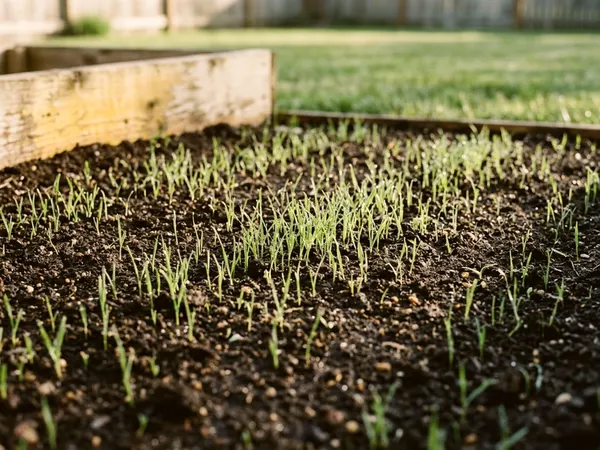
Perennial ryegrass is the fastest growing grass seed, coming up in just five to ten days. Tall fescue follows closely behind, while Kentucky bluegrass can take 14 to 30 days to show green. Picking the quickest seed can shorten the wait for green.
Why some grass seed sprouts in a week and some takes a month
The type of grass largely sets how quickly a seed wakes up. Each type works on its own schedule.
Perennial ryegrass is expected to come up fastest, while Kentucky bluegrass means a longer wait for a green yard.
Seed size and variety differ from bag to bag, so read the label for the grass type inside.
The soil environment plays a huge role alongside genetics. Even the fastest seed may come up slowly if the dirt is cold or dry. You can buy rapid seed, but you still have to provide a good home for it.
Perennial ryegrass, tall fescue and bluegrass compared on speed
Homeowners often pick between three common cool-season grasses. Each operates on its own timeline. You can predict how long you will stare at bare dirt based on what is in the bag.
Grass type | Expected sprouting time |
|---|---|
Perennial ryegrass | 5 to 10 days |
Tall fescue | 7 to 12 days |
Kentucky bluegrass | 14 to 30 days |
Perennial ryegrass is the clear winner for speed. Under good conditions, perennial ryegrass is expected to germinate in about 5 to 10 days.
Tall fescue is a bit slower, sprouting in 7 to 12 days. It takes a couple of extra days to show up compared with ryegrass.
Kentucky bluegrass sits at the bottom of the speed list, taking 14 to 30 days to germinate. Up to 30 days is a long time to keep dirt wet. Patience is mandatory with this grass.
Why a fast seed is not always the best lawn seed
Speed is only one trait to weigh, and a fast grass may not be the toughest. Damage from a dog or a disease may call for reseeding.
Slower grasses may build a stronger yard, so ask your local extension office what suits your area. The wait for bluegrass can be worth it for some yards.
Tall fescue sprouts in 7 to 12 days, which puts it between ryegrass and bluegrass on speed. Picking the right grass type depends heavily on your local weather and how much you use the space.
Seed blends often mix ryegrass with bluegrass or fescue, so the quick ryegrass can fill in while slower seeds wake up. Check the bag label for the mix.
Soil contact, moisture and warmth that speed up sprouting
Buying fast seed is only the first step, because the seed must touch bare dirt to grow. Tossing seed onto hard, packed earth wastes seed. Wind may blow it away, or birds may eat it. You have to prep the ground first.
Rake the top of the soil to loosen it. If you want to overseed a thin lawn, use a stiff metal rake to scratch up the bare patches. The seed needs to nestle into the dirt. A loose seedbed gives tiny roots an easy path downward.
Some homeowners spread a very thin layer of peat moss over the seed to hide it from birds and hold moisture against the seed coat. Never bury grass seed deep, and follow the covering depth on the seed bag.
Watering for fast growth
Moisture is the trigger for germination. Once a seed gets wet, it must stay wet. If the soil dries out during sprouting, the seedlings may die. Water a newly seeded yard lightly and often, and follow the seed bag directions.
Keep the soil surface damp like a wrung-out sponge. Do not create puddles. Puddles wash the seed into low spots, leaving you with clumps of grass and bare hills. Use a hose nozzle with a gentle mist setting, or run your sprinklers for just a few minutes per zone.
Timing the seasons
Heat dictates the pace of new grass. Cool-season grasses like ryegrass and fescue prefer cool soil. Fall is often a good time to plant.
Spring can work too, though cold soil makes seeds slower to wake up. Summer heat is hard on new cool-season sprouts. Plant in early fall for the quickest start, or ask your local extension office about timing in your area.
What to do while you wait for green to show
Waiting is the hardest part of planting grass, even though it is tempting to walk out and inspect the dirt every day. Stay off the seeded area completely. Footprints can compress the loose soil and bury the seeds too deep. Keep dogs, children and neighbors away from the wet dirt.
Birds will visit your yard to eat grass seed right off the surface. You do not need to panic or set up fake owls. Seed bags account for some loss to hungry birds. If you applied the recommended amount, plenty of seed should survive.
Weeds might pop up before the grass does, but do not pull them yet. Walking on the wet soil ruins the grass seed bed, and weed killers can harm new seedlings, so read the product label first. Let the weeds grow for now, as you can deal with them after the lawn is established.
Focus entirely on your watering schedule, and adjust your timers if the wind picks up or the sun beats down. A breezy, sunny afternoon dries out the top layer of dirt fast. Check the soil with your bare hand, and turn the water on if it feels dry to the touch. Steady moisture helps the grass come up.
When to mow the new grass for the first time
The first mow matters for a new lawn. Mowing too early can rip fragile roots out of the dirt. You have to wait until the plants are securely anchored.
Let the new grass grow tall before cutting. This extra height gives the roots time to hold on. Before you start the mower, perform a simple pull test by grabbing a small handful of grass and tugging gently. If you feel resistance, it may be ready to cut.
Ease off watering shortly before you plan to mow. The soil needs to firm up. Heavy mower wheels sink into muddy ground, leaving deep ruts that ruin a smooth yard. Dry soil supports the machine and keeps your boots from tearing up the fresh turf.
Check the mower blade before you make a single pass. A dull blade shreds the top of the grass blade. Shredded tips can turn brown. A sharp blade makes a clean, healthy cut.
Set your mower deck to its highest setting, and take off only the tips in a single mowing. Taking off too much can stress the plant. Basic lawn care starts with gentle mowing. Leave the grass clippings on the lawn during this first cut so they break down quickly and return a small amount of moisture back to the topsoil.
The fast-growing ryegrass will look full quickly, while the slower seeds fill out the rest of the yard over the coming months.
More for the same weekend
6 minutes, read slowly
How to top dress a lawn with compost without smothering it
6 minutes, read slowly
Which type of grass suits your yard, sun and climate
6 minutes, read slowly
Why your lawn has brown patches and how to fix each kind