Passion project ideas you can start in thirty minutes a night
Find passion project ideas you can start in thirty minutes a night and turn your evenings into productive time for hobbies around your house and yard.
Set down by Winona Upchurch
8 minutes, read slowly
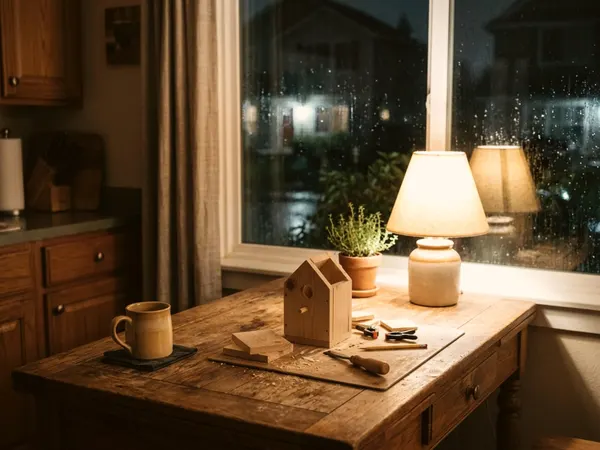
A half hour of focused effort every evening is enough time to tackle a real goal. You can build a garden bed or learn to mend clothes. These passion project ideas fit into a regular evening and bring quiet progress to your house and yard.
Why thirty minutes a night adds up
Small blocks of time bypass the feeling of being overwhelmed. Waiting for a free weekend usually means a project stalls before it starts.
Finding a short block of thirty minutes is much easier than clearing a whole Saturday. Finding the energy after a long shift gets easier when you step away from your screens and work with your hands.
Doing a task daily builds a steady rhythm. Your mind stays engaged with the physical work between sessions, so you remember exactly where you left off yesterday. You skip the slow process of figuring out what step comes next. Short evening stretches quickly turn into hours of actual progress.
Working in small increments keeps you from getting tired. You stop before your back aches or your patience wears thin. A short session leaves you wanting to do more, and that anticipation brings you back the next night. You build a steady habit instead of working in exhausting weekend bursts.
Projects you can do at the kitchen table
A clean table offers enough room to spread out tools and supplies. You can leave things out or sweep them into a box when your half hour ends. The kitchen provides good lighting and easy access to water.
Restoring hand tools and knives
Rust builds up on old garden trowels and kitchen knives when they sit in a damp shed all winter. You can bring them back to good working order with just a few basic supplies. Grab a bottle of mineral oil, some fine steel wool and a sharpening stone.
Spend one evening scrubbing the dark rust off a pair of pruning shears. You can spend the next evening running a dull kitchen knife over the wet stone. Thirty minutes gives you plenty of time to get one blade sharp, so go slowly and keep your fingers clear of the edge.
Organizing a recipe collection
Printed recipes and torn magazine pages often pile up in dark kitchen drawers, making it hard to find your favorites. You can build a custom recipe binder over a few short weeks. Buy a sturdy binder and a thick pack of clear plastic sleeves.
Spend your evening sorting the loose pages into categories like soups, meats and baked goods. You can type up old handwritten cards so they are easier to read. Slide the clean pages into the sleeves to protect them from spills. You end up with a cookbook made exactly for your family.
Repairing clothes and fabrics
Learn basic mending to save your favorite torn garments. A sharp needle and heavy thread can easily fix torn jeans or a loose button. You can work on a different piece of clothing each evening.
Spend part of an evening practicing a blanket stitch on a piece of scrap fabric. Once your hands learn the pulling motion, move on to patching a real hole. Sewing requires very little space and keeps your hands busy while you sit.
Drawing up home plans
Draft a floor plan for a room you want to completely change. Measure the walls, the windows and your heavy furniture first. Use grid paper to sketch out several new layouts.
You can take one night to draw the empty room and another to draw paper cutouts of your chairs. Move the paper furniture around the paper floor to see what fits. You can easily rethink a cramped front hall layout over a few quiet evenings.
Projects out in the yard and garden
Evenings are often cooler, and the soil may be soft from an afternoon watering. Heavy physical work is easier once the heat of the day has passed.
Building a raised garden bed
Constructing a wood bed requires only a few simple steps. You spend the first night measuring and cutting untreated pine boards to length. The second night goes toward screwing the square corners together with heavy deck screws.
The next few nights are perfect for laying down flat cardboard to kill the grass. Once the wooden frame sits level, you can fill the raised bed with a mix of topsoil and compost.
Starting a seed tray
Growing strong plants from seeds takes careful daily attention. You can fill small plastic pots with loose seed starting mix and plant tomatoes or peppers. Use your daily thirty minutes to water the plastic trays from the bottom.
Check for green sprouts and thin out the weak seedlings with small scissors so the strongest plants have room to grow. You can start tomatoes on a windowsill and move them outside when the dirt finally warms up.
Restoring a tired lawn
Fixing bare patches in the grass naturally breaks down into small evening tasks. You spend one night raking out dead thatch from a dry brown spot. The next evening, you loosen the hard dirt with a metal garden weeder.
You sprinkle fresh grass seed and gently press it down into the soil. The following nights require just a few minutes of gentle watering. The bare ground must stay damp for the seeds to wake up and grow.
Constructing a compost bin
A simple compost bin turns dead yard waste into rich garden soil. You can build one from a roll of wire fencing and a few thick wooden stakes. Spend one evening driving the tall stakes into a back corner of the yard.
Spend the next evening wrapping the heavy wire around the posts and tying it tight. Use your later sessions to gather dry brown leaves and green grass clippings. Layer the yard waste inside the wire ring and wet it down with the hose.
Ideas that make something you can see by the end of the month
A tight deadline keeps your attention sharp. Choosing a project that finishes within the month gives you a clear finish line. A visible result makes the daily effort feel worthwhile.
Painting a small room or door
Paint a tiny bathroom, a small hallway closet or a wooden front door. The messy prep work takes a couple of evenings to finish. You tape the edges, lay heavy canvas drop cloths and wash the walls with soap.
Cutting in the tight edges with a brush fills another full session. Rolling the main walls takes a few nights per coat of paint. Taking the blue tape off reveals crisp lines. By the end of the month, the painted room looks entirely different.
Restoring a piece of wooden furniture
Find a scratched wooden chair or side table at a local thrift store. Spend your first week stripping the old finish outside in the yard. Use a chemical stripper and a plastic scraper to peel away the dark varnish, and follow the label directions for gloves and ventilation.
The second week is for sanding the bare wood smooth with fine sandpaper. The third week goes toward wiping on a fresh wood stain with a clean rag. You carefully brush on a clear protective coat during the final week.
Setting up a quiet space
Clear out a cluttered corner and turn it into a comfortable spot to sit. You spend the first few nights carrying away heavy boxes and old trash. Then you scrub the floor and wash the windows inside and out.
Finally, you move in a soft chair, a reading lamp and a small table. You can easily create a reading nook in a space that used to gather dust.
Tiling a kitchen backsplash
Tiling behind the stove or sink completely changes a kitchen. You protect the clean counters with thick plastic on the first night. You spend the next few nights spreading sticky mastic and pressing the tiles into place.
Plastic spacers keep the gaps perfectly even. You cut the end tiles with a manual scoring snapper. The final week goes toward mixing the grout, pushing it into the gaps and wiping the haze off the shiny tile faces.
Choosing a project and setting up early
Pick just one single thing to work on. Splitting your focus between two different projects means neither gets finished.
If you get bored, stick with the task anyway, because seeing real progress is better than having two half-finished jobs. Look around your house and out in the yard. Pick the task that sounds the most enjoyable right now.
Good preparation makes the daily habit stick. If you have to dig through a messy garage for a hammer, you waste your short half hour. Gather everything you need before you start your first evening session.
Put your tools, materials and printed instructions in a plastic bin. A dedicated corner keeps the daily mess contained.
Leave your workspace ready for the next day. When you finish your thirty minutes, take a few quick minutes to reset. Wash your paintbrushes with warm water in the sink.
Put the tight lids back on the glue bottles. Sweep up any fresh sawdust or loose dirt. Lay out the exact hand tools you need for tomorrow. When the next evening rolls around, you can walk right up and start working immediately.
Tracking your progress keeps you honest. Keep a simple paper calendar on the wall near your project. Cross off the day with a thick pen every time you finish a half hour session. Seeing a solid row of dark marks proves you are moving forward.
What to do when you miss a week
Life will eventually interrupt your new evening routine. A late shift at work or a sick child will take up your free time. Sometimes you just feel too tired to pick up a heavy tool.
Do not try to catch up. Trying to cram missed work into a single evening turns a passion project into a chore.
If you fall completely off track, accept that the original timeline has shifted. The project will simply take a week longer to finish.
Restart the broken habit with a very small task. If you missed a week of garden work, just go outside and pull a few weeds. If your wood sanding stalled, sand one single leg of the wooden chair.
A short session easily breaks the freeze. Once your hands are moving again, the full thirty minutes will naturally follow.
Keep your tools visible even when you take a break. Shoving the project into a dark hall closet makes it easy to forget about it. Leave the plastic bin in the corner of the room.
Seeing the unfinished work gently reminds you to step back in. A missed week means absolutely nothing if you pick up the tools again.
More for the same weekend
6 minutes, read slowly
A ten minute evening reset that sets up tomorrow
6 minutes, read slowly
A short evening journaling habit for people who never kept one
6 minutes, read slowly
5 comfort upgrades that fix a drafty house for good